Should Interest Rates Dictate How You Invest?
Rising interest rates can create stress for you as an investor, especially if you are carrying a high debt load. However, it is important to not let changing interest rates deter you from your long-term investment strategy.

A well-executed financial plan that stays on course is more valuable than a constantly changing investment strategy.

Understanding the relationship between interest rates and investment returns may help relieve much of your stress.


Continue reading

Stock Market Anomalies Every Investor Should Know

The Efficient Market Hypothesis (EMH) suggests that investment markets and stock prices are rational and fully reflect all available information. However, there are times when markets may deviate from EMH due to market anomalies.

An anomaly is defined as a strange or unusual occurrence. With respect to stock markets, the continuous release and quick dissemination of new information and ongoing speculation can mean that markets are not always so efficient.

Many of these market anomalies come and go quickly. Others occur just frequently enough that investors may be tempted to use them as the basis for a trading strategy.

Here we list several stock market anomalies (calendar and trade driven), including some that occur on a semi-regular basis. But do they occur with enough regularity that investors can profit from them?

Continue reading

Why Understanding Market Volatility is Important for Investors

Stock market volatility is a measure of how much the stock market’s total value fluctuates up and down. Stock market volatility can increase when external factors such as inflation and the COVID-19 pandemic create uncertainty for the economy. This volatility contributes to investment portfolio gains and losses. Understanding market volatility should help you gain more often than you lose.

Continue reading

How Does Inflation Impact Your Investments?

Inflation is a measurement of how fast the prices of goods and services rise. It is most often presented as the consumer price index or CPI. CPI is the aggregate change over twelve months in the weighted average prices of a shopping basket of goods and services representative of the typical consumer.

Very low or very high levels of inflation can be damaging to the economy, so most governments try to maintain a more balanced level of CPI at around 2%.

Continue reading

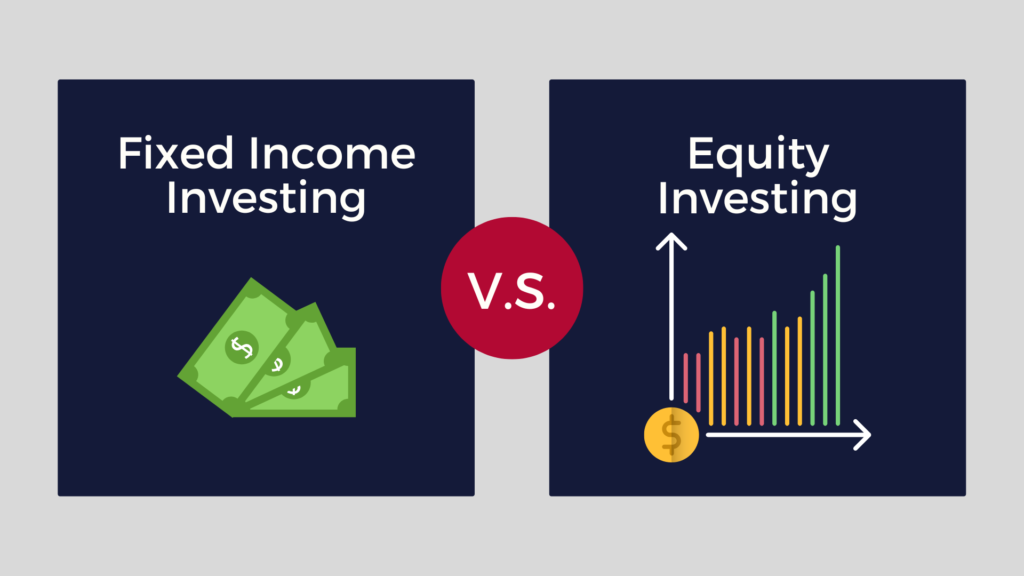
Fixed Income Investing vs. Equity Investing

fixed income investing vs. equity investing

The most common asset classes held in a portfolio are equities (e.g. common stocks), fixed income (e.g. bonds) and to a lesser extent, alternative investments (specialty funds, mortgages etc.). A high-net-worth individual, foundation, corporation, institution or trust may employ the services of several managers, each of whom specializes in one of these three asset classes, to form an overall diversified investment portfolio. This article discusses the main differences between fixed income and equity investing and highlights a major difference between the two during inflationary periods.

Continue reading